
Egypt vs Morocco vs Turkey: Best Country for Frozen Vegetable Imports in 2026
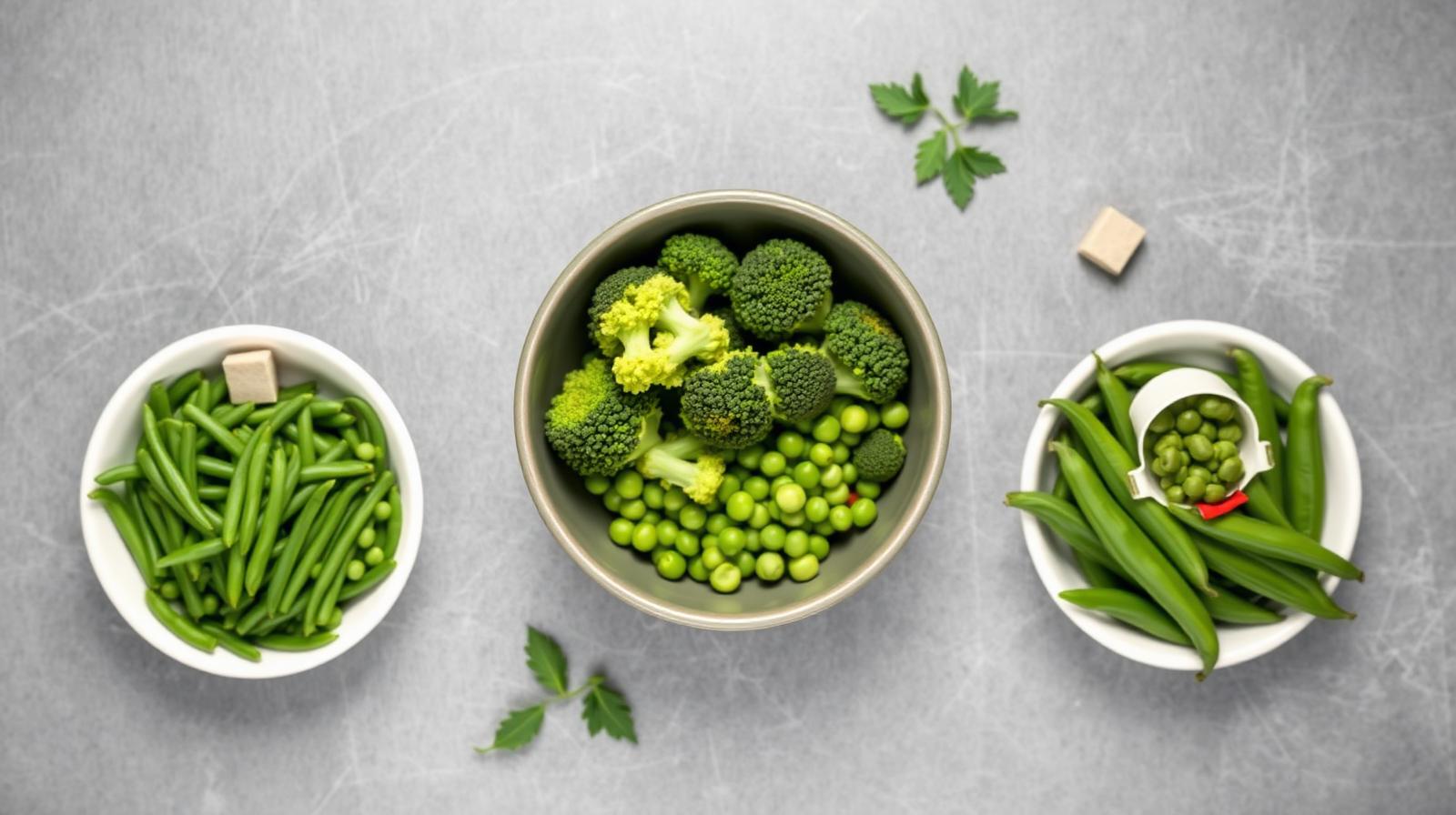
Egypt is the strongest all-around frozen vegetable sourcing destination in the Mediterranean for 2026, beating Morocco and Turkey on FOB price, year-round supply depth, and the breadth of FSSC 22000 certified food supplier Egypt has on the export market. Morocco and Turkey remain competitive on specific dimensions — Morocco for organic peppers, Turkey for proximity to EU ports — but for the typical importer running a 24-tonne reefer of mixed IQF frozen vegetables, Egypt delivers the lowest landed cost, the deepest supplier base, and the most stable year-round availability. This comparison breaks down all three countries on the criteria that actually move a sourcing decision: price per metric tonne, minimum order quantity, freight days to your destination port, certification depth, currency stability, and the practical risks of working with each country's exporter base.
Egypt vs Morocco vs Turkey at a Glance
FOB price (IQF mixed vegetables, 24 MT, 2026 average): - Egypt: $1,050–$1,280 per metric tonne - Morocco: $1,180–$1,420 per metric tonne - Turkey: $1,210–$1,460 per metric tonne
Minimum order quantity (standard): - Egypt: 1×40' reefer (24 MT) — many factories accept 12 MT for new buyers - Morocco: 1×40' reefer (24 MT) — strict, smaller orders rare - Turkey: 1×40' reefer (24 MT) — flexible for EU buyers, less so elsewhere
Sea freight days to Hamburg / Rotterdam: - Egypt (Damietta / Alexandria): 8–12 days - Morocco (Casablanca / Agadir): 7–10 days - Turkey (Mersin / Istanbul): 6–9 days
Sea freight days to New York (USA): - Egypt: 16–22 days - Morocco: 12–16 days - Turkey: 18–24 days
Year-round product availability: - Egypt: 8–10 months for most flagship products (molokhia, okra, green beans, peas) - Morocco: 6–8 months — strong winter season, gaps in summer - Turkey: 5–7 months — more pronounced seasonal gaps
Currency stability for USD/EUR-priced contracts: - Egypt: Stable USD pricing — exporters quote and invoice in USD/EUR - Morocco: Stable, MAD-pegged but USD/EUR contracts standard - Turkey: TRY volatility creates pricing risk — many exporters require shorter quote windows
On the four metrics that decide most procurement decisions — price, supply depth, MOQ flexibility, and contract currency stability — Egypt wins or ties. Turkey's only structural edge is freight to EU ports, and that 2–3 day advantage rarely offsets the $150–$200/MT FOB premium.
Why Egypt Has the Lowest FOB Frozen Vegetable Pricing
Egyptian FOB pricing for IQF frozen broccoli, green beans, cauliflower, peas, and mixed vegetables runs 8–14% below Moroccan FOB and 10–18% below Turkish FOB. Three structural cost advantages explain the gap:
Labour costs in agriculture and processing. Egypt's agricultural labour cost is roughly 35–45% lower than Morocco's and 50–60% lower than Turkey's. For labour-intensive crops like green beans (hand-picked, hand-trimmed), this is a decisive advantage.
Land and growing-zone scale. The Nile Delta provides a single contiguous growing zone of over 22,000 km² with year-round irrigation from the Nile. Morocco's vegetable production is split across smaller zones (Agadir, Marrakech-Safi, Loukkos) and Turkey's is spread across the Aegean, Mediterranean, and Anatolia — fragmenting supply and increasing inland logistics cost.
Energy cost for cold chain. Egyptian industrial electricity tariffs for the food processing sector remain among the lowest in the Mediterranean, directly reducing the per-kilo cost of IQF tunnel freezing and cold storage — the single largest non-raw-material cost in frozen vegetable production.
For a buyer running 12 reefers per year (~290 MT), the Egypt vs Turkey FOB delta typically nets out at $43,000–$58,000 in annual savings.
Certifications and Factory Capacity in Each Country
Egypt has the largest cluster of FSSC 22000, BRCGS, and IFS Food certified frozen vegetable factories in the Mediterranean. The 6th of October industrial zone, the Beheira and Sharqia delta zones, and the Alexandria coastal industrial belt host the top frozen food factories Egypt produces from. A typical tier-1 Egyptian exporter holds: HACCP, ISO 22000 or FSSC 22000 certified food supplier Egypt status, BRCGS or IFS Food, Halal, Kosher, and EU/USDA organic for selected lines.
Morocco has a smaller but high-quality factory base, with the strongest concentration around Agadir. Most exporters hold IFS or BRCGS, and EU Organic is very common — Morocco's organic capability is the country's strongest competitive edge.
Turkey has a highly fragmented exporter market — many smaller players alongside a handful of large groups. Certification quality varies more than in Egypt or Morocco; buyers should be more rigorous on factory-level audit verification when sourcing from Turkey.
For any importer where retail-grade certification is mandatory (BRCGS / IFS Food + FSSC 22000), Egypt offers the deepest pool of qualified exporters at competitive pricing.
Product-by-Product: Where Each Country is Strongest
IQF frozen broccoli Egypt supplier vs alternatives: Egypt produces high-quality broccoli florets (15–35mm, 25–55mm grades) at $1,150–$1,350/MT FOB. Morocco and Turkey are competitive on quality but typically run $100–$180/MT higher.
Frozen green beans supplier Egypt wholesale vs Morocco/Turkey: Egypt is the regional leader for fine and extra-fine green beans (cut and whole), with FOB pricing $950–$1,200/MT. Morocco is competitive on whole fine beans but more expensive on cut formats.
Frozen cauliflower florets supplier Egypt vs alternatives: Egypt produces cauliflower florets at $1,080–$1,280/MT FOB. Turkish cauliflower is similar in quality but typically 12–18% more expensive.
Frozen peas Egypt export bulk vs alternatives: Egyptian frozen peas (petit pois and standard grades) are priced at $920–$1,150/MT FOB. Turkey is the closest competitor on price but with shorter season.
Molokhia, okra, artichoke hearts: Egypt has near-monopoly position on the export of these three flagship products at scale. Morocco and Turkey produce them but not at the volume or consistency that supports container-load export programmes.
Organic specialty peppers and stuffed-pepper formats: Morocco has a meaningful edge here — its organic certification depth and pepper varietals are stronger than Egypt's.
Apricots, cherries, stone-fruit programmes: Turkey has a structural edge on Mediterranean stone fruit. For those products, Turkey is often the right answer.
Need a quote on the products in this article?
Send us your specs and we'll respond with FOB pricing, certifications, and references within one business day.
Logistics, Lead Times, and Practical Sourcing Risks
Egypt: Two major export ports (Damietta and Alexandria) with weekly direct sailings to all major European, Gulf, and US East Coast destinations. Lead time from PO to vessel departure is typically 18–28 days for stocked products and 35–55 days for production-to-order. Suez Canal proximity means transhipment options are abundant.
Morocco: Casablanca and Agadir handle most frozen exports. Sailings to Northern Europe are frequent (Tangier Med is a major transhipment hub). Lead times comparable to Egypt. Risk: limited US East Coast direct sailings — most US-bound containers transit via European hubs, adding 5–8 days.
Turkey: Mersin, Istanbul (Ambarli), and Izmir all serve frozen exports. Strong frequency to EU ports. Risk: TRY currency volatility can void quoted prices if not contracted in USD/EUR with short validity windows.
For US-bound buyers researching how to import frozen food from Egypt to USA: Egyptian exporters with prior FDA Prior Notice and FSVP experience can ship FCL directly to East Coast ports (New York, Norfolk, Savannah) on regular MSC, CMA CGM, and Maersk services, with total transit of 16–22 days from Damietta.
The Verdict for 2026 Buyers
For the typical importer running 6–24 reefers per year of frozen vegetables, Egypt is the strongest sourcing destination on the Mediterranean in 2026. It offers:
- The lowest FOB pricing on most flagship products (green beans, broccoli, cauliflower, peas, mixed vegetables)
- The deepest pool of FSSC 22000, BRCGS, and IFS Food certified factories
- The longest year-round supply window (8–10 months on most products)
- Stable USD/EUR contract pricing without local-currency risk
- Dominant supply position on molokhia, okra, and artichoke hearts
Choose Morocco when: organic certification is mandatory and you're sourcing peppers, or you need fastest-possible freight to Northern Europe and price is secondary.
Choose Turkey when: you're sourcing stone fruit (apricots, cherries) or need 6-day freight to EU and can absorb TRY currency risk.
Choose Egypt for everything else. If you're evaluating Mediterranean frozen vegetable sourcing right now, Alliance Foods supplies certified IQF molokhia, okra, broccoli, green beans, peas, cauliflower, and mixed vegetables to importers across Europe, the GCC, the UK, and North America. Request a quote and certification pack via the contact form below — typical response within one business day.
Frequently Asked Questions
Is Egypt cheaper than Turkey for frozen vegetables?
Yes. Egyptian FOB pricing for IQF frozen vegetables is typically 10–18% lower than Turkish FOB pricing on like-for-like products in 2026. For frozen broccoli, green beans, cauliflower, and peas, Egypt's structural cost advantage on labour and energy translates directly to lower FOB.
Which country has the most FSSC 22000 certified frozen vegetable factories?
Egypt. The Egyptian frozen food industry has the largest cluster of FSSC 22000 and BRCGS-certified factories in the Mediterranean, concentrated in the 6th of October industrial zone, the Beheira and Sharqia delta zones, and the Alexandria coastal belt.
Where are the top frozen food factories in Egypt located?
The 6th of October City industrial zone (west of Cairo), the Beheira and Sharqia governorates in the Nile Delta, and the Alexandria–Borg El Arab industrial belt host most of Egypt's top frozen food factories. These clusters offer the best combination of certified facilities, raw material proximity, and port access.
Can I import frozen food from Egypt to USA?
Yes. Egypt is an established FDA-recognised exporter market. Egyptian frozen food exporters with FSVP-compliant supplier programmes ship FCL containers to US East Coast ports (New York, Norfolk, Savannah) on regular MSC, CMA CGM, and Maersk services. Typical transit from Damietta is 16–22 days. The supplier must complete FDA Prior Notice and meet your FSVP verification requirements.
What is the cheapest country to import frozen broccoli from in 2026?
Egypt. IQF frozen broccoli florets from Egypt run $1,150–$1,350 per metric tonne FOB, typically $100–$180/MT below comparable Moroccan or Turkish pricing for the same grade.
How does Egyptian frozen vegetable freight to Europe compare to Morocco and Turkey?
Sea freight from Damietta or Alexandria to Northern European ports (Hamburg, Rotterdam) takes 8–12 days. Morocco is faster at 7–10 days and Turkey faster still at 6–9 days. For Mediterranean ports (Genoa, Marseille), Egypt is competitive at 4–7 days.
Why is Egypt better than Morocco for frozen green beans?
Egypt has lower FOB pricing (typically 8–14% cheaper), deeper year-round supply (8–10 months vs Morocco's 6–8 months), and a larger base of certified processors capable of cut, whole, fine, and extra-fine grades. Morocco is competitive specifically on whole fine beans but loses on the broader product mix.
Which country has the best frozen okra and molokhia exports?
Egypt — by a wide margin. Egypt is the dominant global exporter of both IQF frozen okra (whole, sliced, breaded) and frozen molokhia (whole leaf and chopped). Morocco and Turkey produce these at small scale but not at container-load export volume with consistent specification.
Source from Egypt with confidence
Alliance Foods supplies importers across Europe, the GCC, the UK, and North America. Get a tailored quote in 24 hours.
Related products
Continue reading
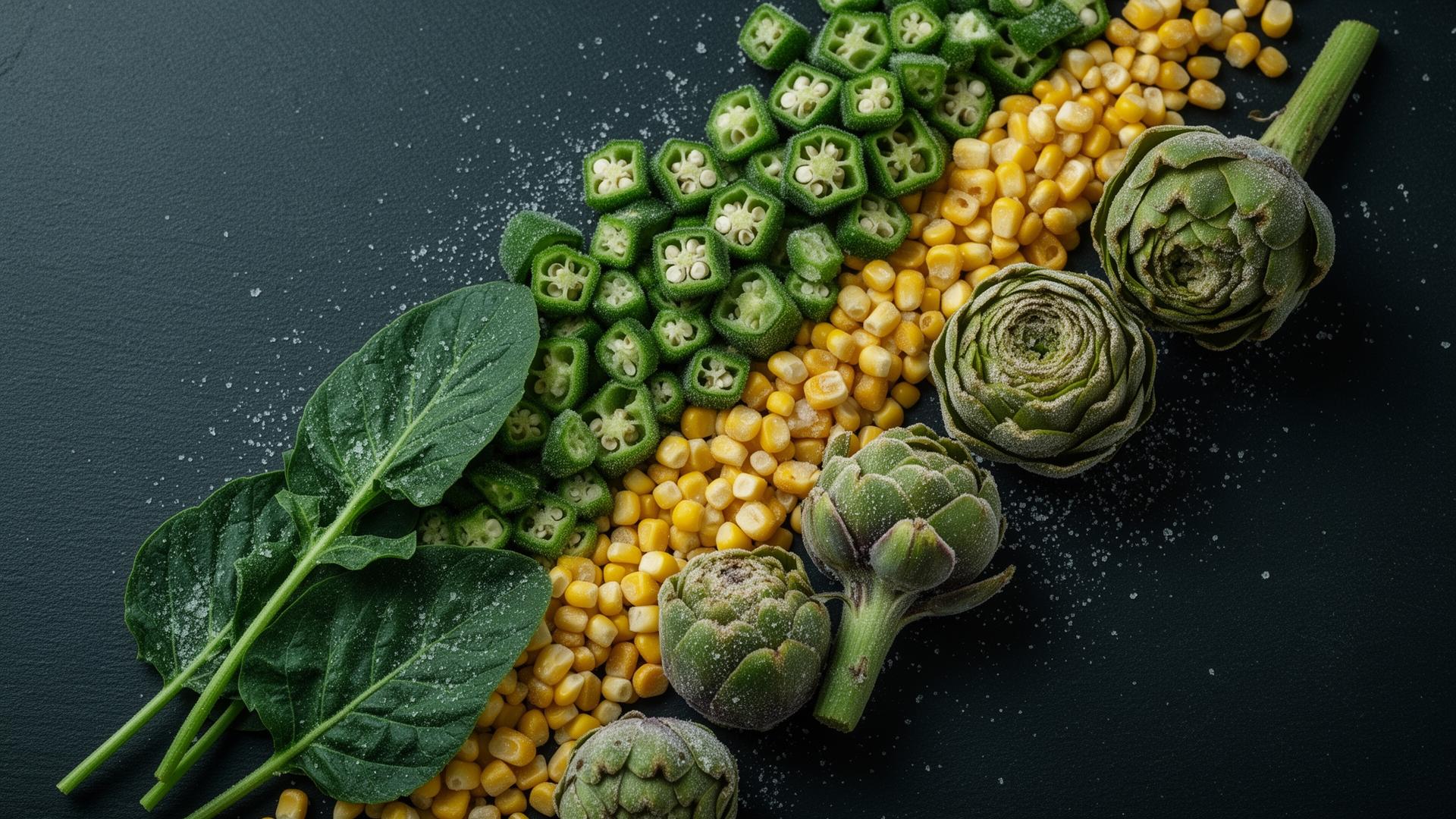
The Complete Guide to Importing Frozen Vegetables from Egypt (2026)
Everything global buyers need to know to source IQF frozen vegetables from Egypt — from supplier vetting to FOB Damietta to landed cost in your warehouse.
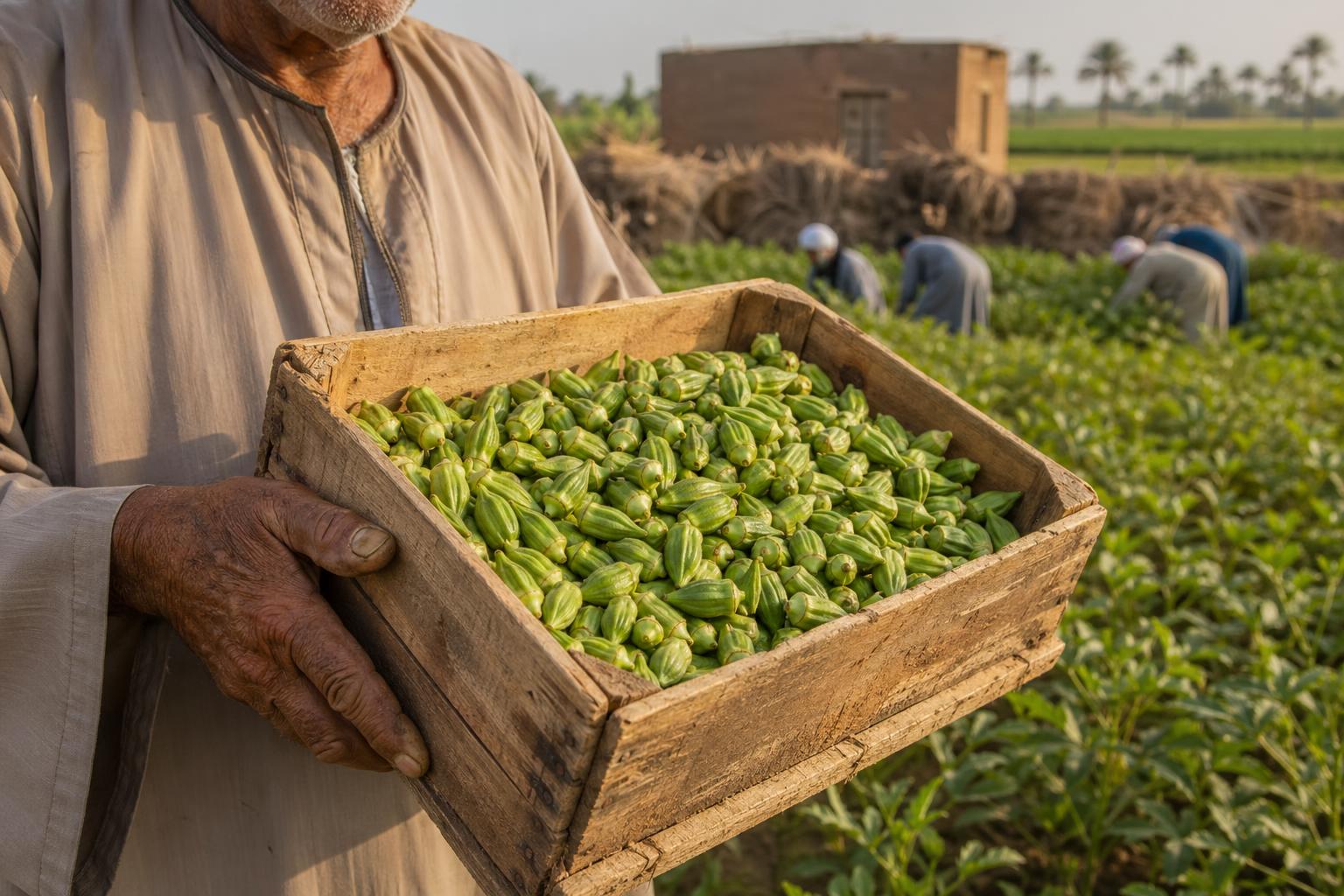
Egyptian Frozen Okra Suppliers: A 2026 Buyer's Guide
Egypt is the world's leading exporter of frozen okra. Here is how to find, vet, and contract a supplier without buying from a broker pretending to be a producer.